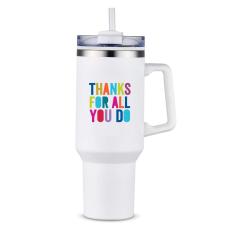
Enhancing Employee Morale: The Importance of Employee Appreciation Gifts
Corporate Gifting in Modern Work Culture
The importance of appreciation gifts is often overlooked. These tokens of gratitude are more than feel-good items; they are practical tools that shape workplace culture, boost employee satisfaction, and deliver a measurable return. This guide covers why appreciation gifts work, the types to choose from, the occasions that call for them, how to present and budget for them, the difference between monetary and non-monetary recognition, and the ROI behind it all. Employee appreciation gifts are not just about awards; they are about recognizing success in many ways.
Why Appreciation Gifts Work
The Psychology Behind a Thoughtful Gift
Gift-giving is deeply rooted in human psychology. When employees receive a gift, it triggers the release of oxytocin, often called the "love hormone." This lifts their mood and builds a sense of belonging and loyalty toward the company. Research shows that regular recognition can lead to higher-quality work and reduced absenteeism.






The Ripple Effect on Team Building
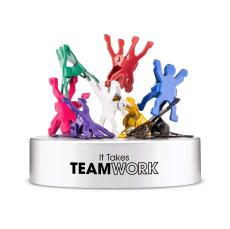
When one employee is recognized, it creates a ripple effect across the team. The act of giving and receiving gifts strengthens team-building activities and overall team spirit, and it sets a standard that good work gets noticed.
Types of Appreciation Gifts
Appreciation gifts come in many forms, and the best choice depends on the person and the moment. Here are the options worth knowing.
Personalized Gifts
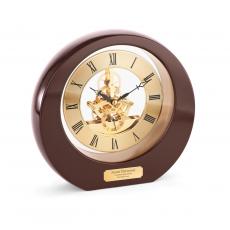
Personalized gifts have a charm that generic items cannot match. Personalization is where Successories started, so a custom mug, an engraved pen, or a desk piece marked with a name, date, or message becomes something an employee keeps. Any gift can be customized with recognition wording, names, dates, and your logo, all with free engraving, a free logo, and a free proof.
Recognition Awards and Trophies
A well-crafted token of appreciation can serve as an enduring memento that symbolizes an employee's accomplishments and contributions to the company. Unlike a consumable gift, an award stays on the desk or shelf as a lasting reminder of the work behind it.
Gift Cards
Gift cards offer flexibility, letting your team choose what they truly want. They land best when they align with an employee's interests. A gift card to a bookstore for an avid reader or a spa voucher for someone who needs to recharge shows a genuine understanding of individual preferences. Experience-based cards, such as cooking classes or an adventure outing, give your team a chance to learn a new skill or try something memorable.
Digital Rewards for Remote Teams
For distributed teams, digital rewards like e-gift cards or online course subscriptions are a convenient and immediate way to show appreciation, no shipping required.
Company Clubs and Shared Experiences
A company club built around a shared hobby like reading or cooking rewards employees while building a sense of community. Recognition does not always have to be an object; sometimes it is an experience people look forward to.
When to Give Appreciation Gifts
Timing gives a gift meaning. A few occasions deserve a deliberate plan.
Birthdays
A birthday is a chance to recognize the person, not just the employee. Consider gifts that align with their interests, such as a book from a favorite genre or a gift card to a restaurant they love.
Holidays
Whether it is Christmas, Hanukkah, or another office celebration, a holiday gift adds warmth and unity to the workplace. A holiday-themed gift basket filled with treats and small items is a simple way to spread cheer.
Work Anniversaries
Acknowledging work anniversaries conveys that you value an employee's contribution over the years. A personalized plaque or a day-off voucher makes employees feel valued for their time and dedication.
Employee Appreciation Day and Week
Employee Appreciation Day, the first Friday of March, focuses on individual recognition. Employee Appreciation Week allows for a longer celebration; consider organizing events or handing out small daily gifts to keep the appreciation flowing.
Random Acts of Appreciation
Unexpected gestures often leave the most lasting impression. A surprise lunch delivery or an impromptu "Employee of the Month" award can make an ordinary day extraordinary.
Monetary Appreciation Gifts: Do They Work?
Money is the most direct way to say thank you, and it has a place. Used on its own, it also has limits worth understanding.
Gift Cards, Bonuses, and Raises
Performance-based bonuses can motivate employees to hit their goals, as long as they are tied to clear, measurable objectives so the reward feels fair and transparent. Salary raises are a more permanent signal of appreciation that can build loyalty and a sense of security, and they work best when tied to an objective assessment of an employee's contributions. Both tend to give a short-term lift, while long-term satisfaction relies on a positive work environment and room to grow.
Where Monetary Rewards Fall Short
- Temporary gratification: cash offers immediate satisfaction but does little for long-term engagement, and it can pull focus toward short-term gains.
- Risk of entitlement: once monetary rewards become expected, employees may view them as part of the package rather than a genuine thank-you, which causes friction if they shrink.
- Limited impact on motivation: research in psychology and management finds that recognition, autonomy, and growth opportunities have a more lasting effect on motivation than money alone.
- Equality concerns: distributing cash fairly across different roles and performance levels is hard, and perceived inequities create tension.
- Budget constraints: meaningful cash rewards for everyone are not always financially sustainable.
The takeaway is not to drop monetary rewards, but to pair them with the non-monetary recognition that makes appreciation stick.
Non-Monetary Appreciation Gifts
Some of the most effective ways to show appreciation cost little or nothing directly. They tend to build the connection that money alone does not.
Team Events
Team events, from outdoor outings like hiking or paintball to indoor activities like escape rooms or cooking classes, improve team dynamics, reduce stress, and boost morale. Shared experiences build the trust and communication that carry back into the office.
Professional Development
Investing in development pays off over the long term. Training workshops, mentorship programs, skill-building courses, and sponsored conference attendance sharpen skills while signaling a real commitment to an employee's future, which builds loyalty and motivation.
Personalized Notes
A handwritten note or heartfelt thank-you card carries weight. Acknowledge a specific achievement, write it by hand, deliver it promptly, and keep it sincere. Notes like these become keepsakes employees display on their desks long after the moment passes.
Time-Off Coupons
Work-life balance is central to well-being and productivity. Extra vacation days, flexible hours, wellness days, or an early Friday dismissal help employees manage their time, reduce burnout, and return more focused.
Recognition Programs and Wellness Initiatives
A structured recognition program gives appreciation a consistent home, while wellness initiatives such as gym memberships, yoga classes, or mental health support promote well-being and reduce stress. Both show employees the company is invested in them, not just their output.
Presentation and Delivery
How you give a gift matters as much as what you give. A little thought in the delivery multiplies the impact.
- Mind the timing: choose a moment that is convenient for the recipient and avoid interrupting essential tasks or meetings.
- Deliver it personally: hand the gift over yourself whenever possible to add a personal touch.
- Dress it up: custom gift wrap with a personalized message, or a quick desk decoration, turns a handoff into a moment.
- Recognize in public: acknowledge the employee in a team meeting, add them to a "Wall of Fame," or share the achievement on the company's social channels.
- Add a handwritten note: a few sincere lines in your own hand make any gift feel more personal.
Budgeting for Appreciation
Appreciation does not require a large budget, just a plan. Set a clear budget for the year, decide how it is prioritized across teams and performance or tenure, and track expenses so you can reallocate as needs shift.
Low-cost and no-cost recognition stretches that budget further: personalized notes, flexible work arrangements, a peer-to-peer program where employees nominate colleagues, a recognition wall, occasional casual dress days, access to online courses, and themed potluck lunches that also celebrate the team's diversity. A heartfelt note often means more than an expensive gift.
Cultural Considerations
In a diverse workplace, what reads as a thoughtful gift in one culture can be inappropriate in another, so cultural sensitivity matters. The simplest approach is to ask: find out how each person prefers to be recognized, since some appreciate public acknowledgment while others prefer a private word.
Beyond individual preferences, tailor gifts to reflect employees' heritage when it fits, build inclusive award categories, use multilingual communication where helpful, and recognize the cultural holidays that matter to your team. Cultural awareness events, sensitivity training, and employee resource groups all reinforce that every background is valued.
The ROI of Appreciation: An Investment, Not an Expense
Appreciation gifts are an investment with measurable returns. Gallup's research ties highly engaged teams to roughly 21% greater profitability, along with lower turnover and fewer safety incidents. The reasons are practical: recognized employees pay closer attention to detail, understand customer needs better, and stay longer. One of the most common reasons people leave a job is simply that they do not feel appreciated.
To see what is working, measure recognition the way you would any program, through engagement surveys, retention numbers, and performance metrics. Smaller companies often lean on personalized gifts that reflect the company's culture, while larger organizations run standardized programs; both succeed when the recognition is genuine and consistent.
Browse our full selection of employee gifts to find the right pick for your team.
Appreciation Gifts Are Strategic Tools
Appreciation gifts are strategic tools that shape your company's culture and bottom line. By understanding the psychology of gift-giving, diversifying your recognition methods, and giving consistently rather than once a year, you build an engaged and productive team. Employee appreciation is a crucial driver of employee engagement and satisfaction.
Make it an ongoing practice, not a single day on the calendar, and involve employees in shaping it. Ask how they want to be recognized so your efforts match their preferences. Alongside individual recognition, celebrate milestones and achievements as a group and publicly acknowledge your team's contributions. Employees who feel valued are more engaged, more productive, and more committed, which is the real power of appreciation gifts.